

Botanical Gardens
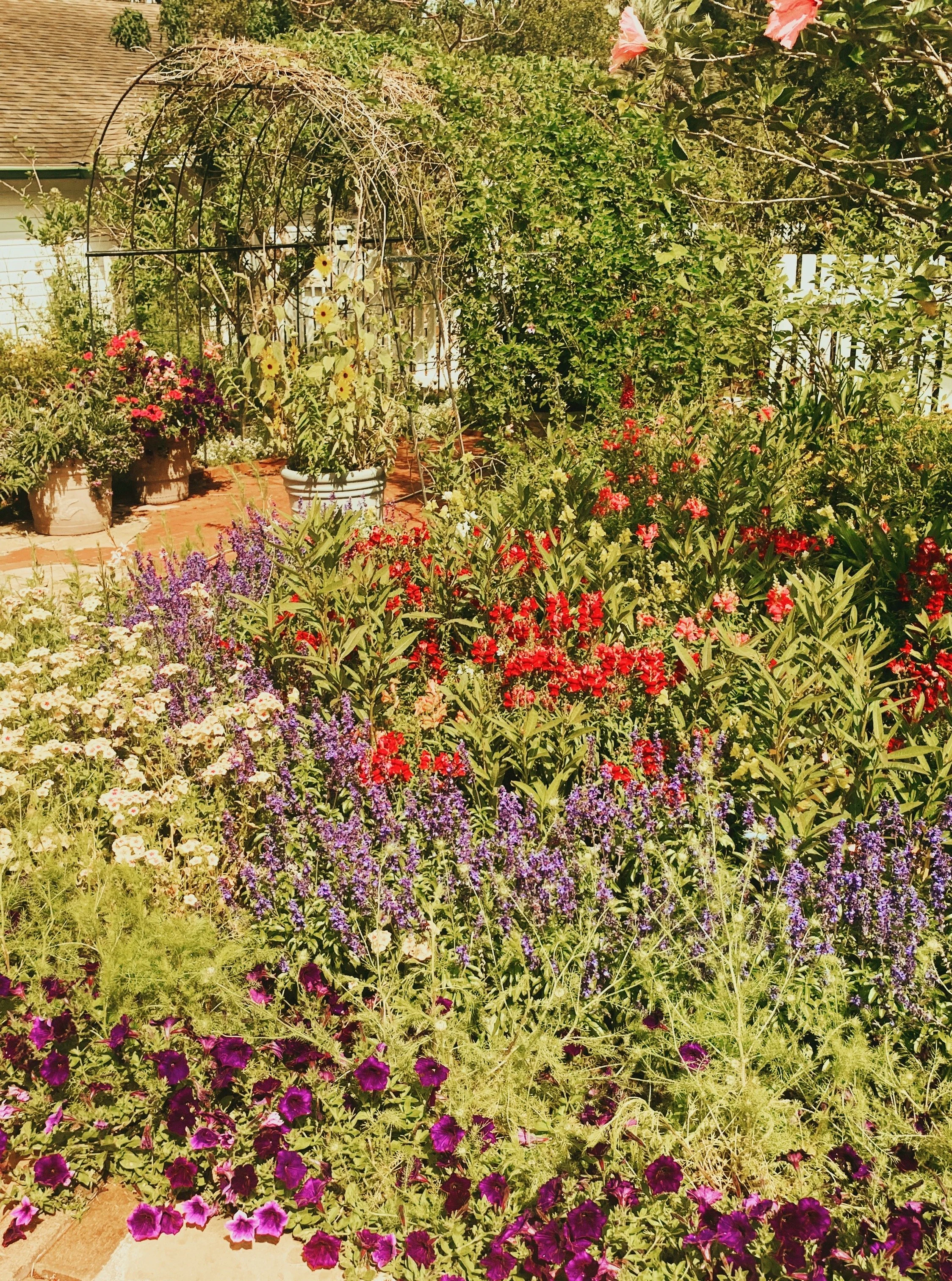
Botanical gardens exist at the meeting point between nature and intention. They’re not wilderness, but they’re not cities either. They hold a kind of middle ground — living archives shaped by human hands, but ultimately ruled by growth.
To visit a botanical garden is to step into a version of nature that’s been carefully composed, not to control it, but to understand it. Every plant has a label, a place, a climate zone recreated by design. It’s a reminder that preservation can be both structured and alive — that care doesn’t always mean intervention.
There’s a quiet intelligence to these spaces. You start to see how order and unpredictability coexist: glasshouses that sweat in the sun, pathways that bend to protect roots, vines that ignore boundaries. Botanical gardens make visible the negotiation between human order and natural logic.
The experience is not about isolation or rawness — it’s about encounter. You stand in front of a species that’s traveled continents, that has outlived empires, and realize how small your sense of time is. The garden is both curated and endless.
In a way, visiting a botanical garden is less about leisure and more about perspective. It’s a place where design meets ecology, where attention becomes an act of respect. You walk through and see what’s thriving, what’s adapting, what’s decaying — all of it part of the same ongoing system.
Maybe that’s why these places endure. They’re not monuments to control but to coexistence — a reminder that tending, naming, and studying are forms of humility. That to care for something living is also to accept that you’ll never fully shape it.
